Protecting Positions from Enemy FPV Drone Attacks
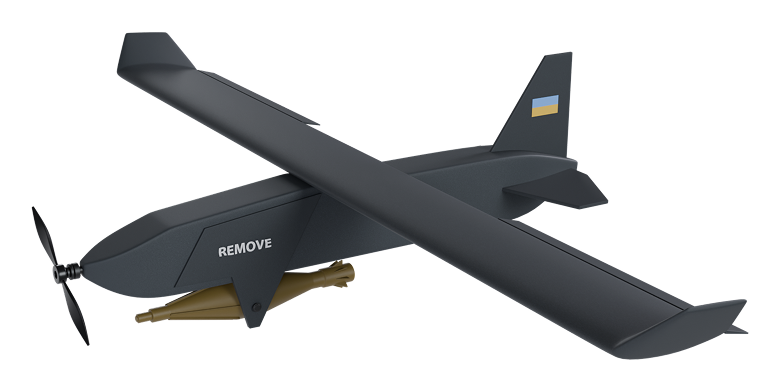
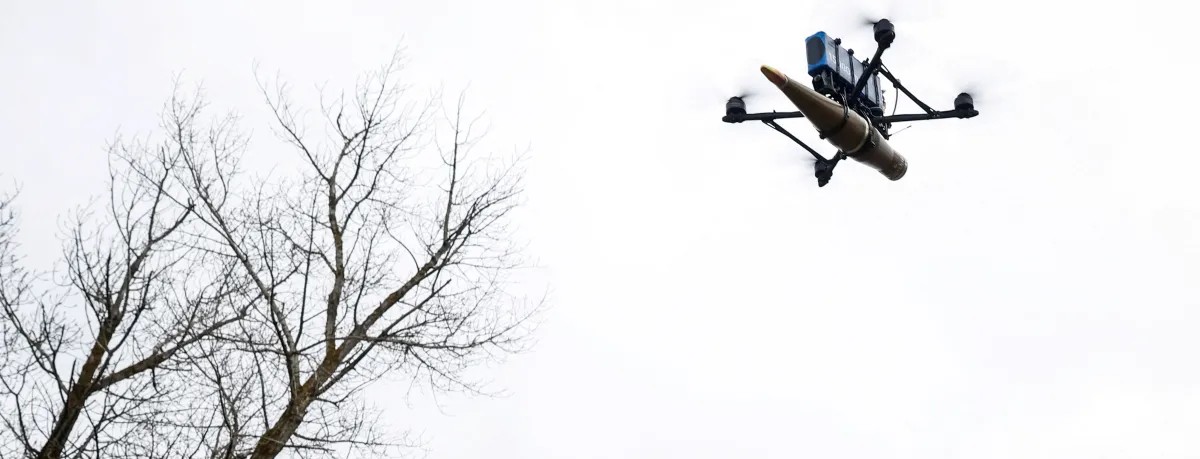
FPV drones have become one of the most dangerous tools of modern warfare. They are relatively cheap, highly maneuverable, and capable of striking personnel and equipment with extreme precision. Protecting positions from FPV drones is no longer optional — it is essential for survival and combat effectiveness.
In this article, we will cover practical methods for defending positions against enemy FPV drones that are already being used on the battlefield.
What Is an FPV Drone and Why Is It So Dangerous?
FPV (First Person View) drones are controlled in real time by an operator using video goggles or a screen. Their main threats include:
- High strike accuracy
- Difficulty of detection
- Ability to attack from multiple directions
- Low cost compared to the value of destroyed targets
FPV drones are often used as kamikaze platforms carrying explosive charges capable of destroying vehicles, dugouts, or groups of soldiers.
Camouflage — The First Line of Defense
Proper camouflage significantly reduces the chance of detection:
use of camouflage nets with IR protection
avoiding straight lines and geometric shapes
minimizing movement during daylight
concealing dugout entrances
controlling heat signatures (stoves, generators)
Important: FPV operators often rely not only on visuals, but also on patterns of behavior and routine mistakes.
Engineering Protection of Positions
- Nets and Physical Barriers
metal or nylon nets over trenches and equipment
protective “cages” around vehicles
stretched fishing line or wire to disrupt drone flight
- Depth and Fortification
The deeper the position, the harder it is for a drone to strike without a direct top-down approach.
Electronic Warfare (EW) Systems
Electronic warfare is one of the most effective countermeasures against FPV drones:
jamming control channels
disrupting video transmission
interfering with navigation signals
Even short-term jamming can cause a drone to crash or lose control.
Drawback: EW systems can reveal your position, so they must be used selectively and intelligently.
Early detection greatly increases survival chances: The distinctive buzzing sound of an FPV drone is often the first warning sign. small arms fire (against low, slow targets) shotguns anti-drone rifles friendly FPV interceptor drones A trained soldier with a shotgun in the right position can save an entire defensive point. Even the best equipment is ineffective without: FPV drones exploit mistakes — repeated routes, crowding, and negligence.
Protection against FPV drones requires a layered and comprehensive approach, not a single “magic solution.” Camouflage, engineering measures, EW, detection, and discipline only work when combined. In modern warfare, survival depends on the ability to adapt faster than the enemy.
Detecting FPV Drones Early
Active Countermeasures
Discipline and Training
Conclusion