FPV Drones vs. Armored Vehicles: Scenarios of Effective Strike
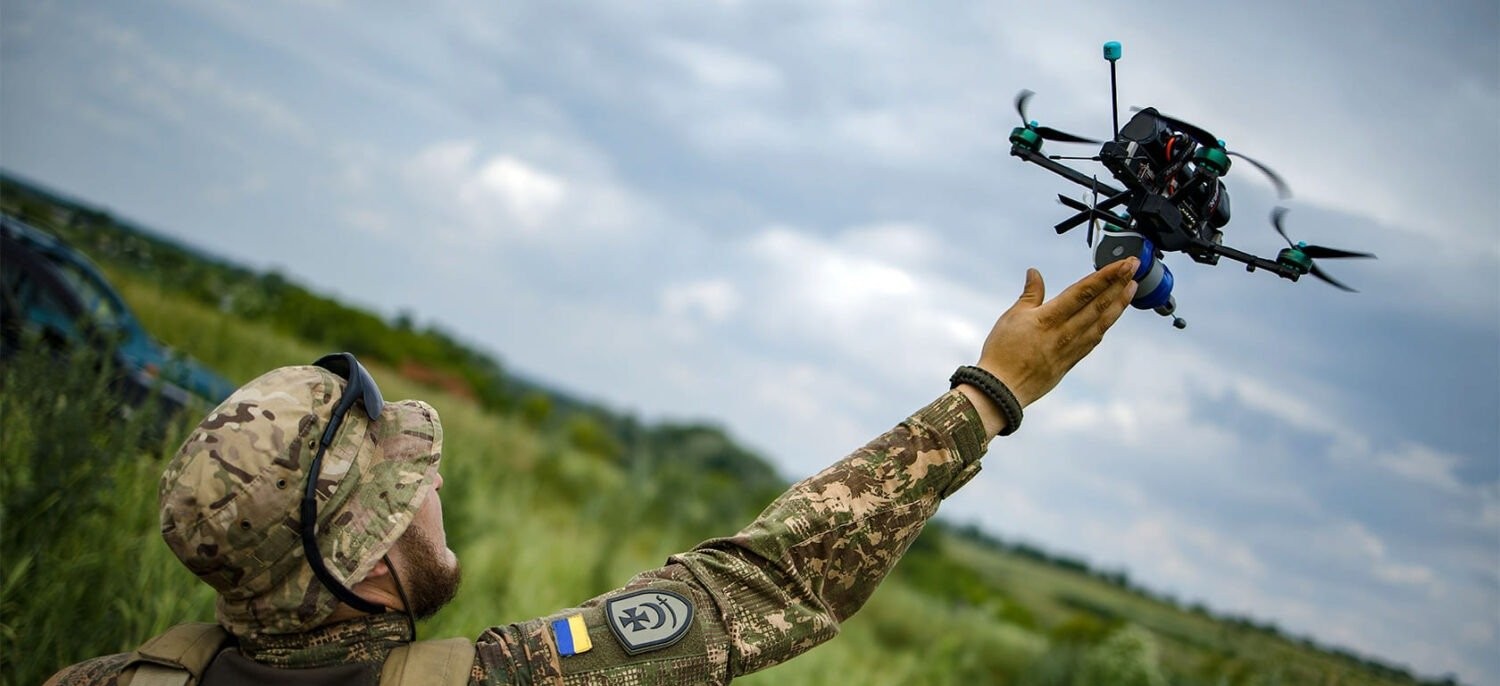
FPV drones are unmanned aerial vehicles that allow operators to observe the flight in real time from a first-person perspective. This is made possible by a camera installed on the device. In addition, such a quadcopter provides full immersion in the control process, as operators use a monitor or special goggles that transmit video from the drone.
Today, these devices are used on the frontlines to destroy priority targets, including armored vehicles. Moreover, such UAVs can be converted into strike platforms equipped with munitions or RPGs to hit enemy targets.
Technical Features of FPV Drones for Strike Missions
FPV drones are actively used to carry out strike missions against enemy armored vehicles. This is possible thanks to the following features:
- Manual control. These UAVs are manually operated, which increases accuracy and gives full control over the flight.
- Maneuverability. Compact size and high maneuverability allow complex maneuvers, evasion from interception, and attacks on targets in cover.
- Independence from GPS. Manual control and lack of reliance on satellite navigation make such drones resistant to electronic warfare.
- Frame. The basis of the UAV is a strong carbon or lightweight plastic frame designed for high loads.
- Video quality. High-resolution cameras installed on combat FPV drones ensure clear target recognition.
- Radio frequencies. Different frequencies are used for control and video transmission.
- Speed and altitude. Flight speed can reach 80–100 km/h, and altitude up to 6,000 meters.
- Flight duration. Depends on battery capacity and mission type, but can exceed 30 minutes.
- Flexibility. Strike FPV drones are repairable – they can be quickly disassembled and damaged parts replaced.
In addition, thanks to the FPV system, the operator can remain at a safe distance from the combat zone.
Scenarios of Striking Armored Vehicles (Tanks, APCs, SPGs)
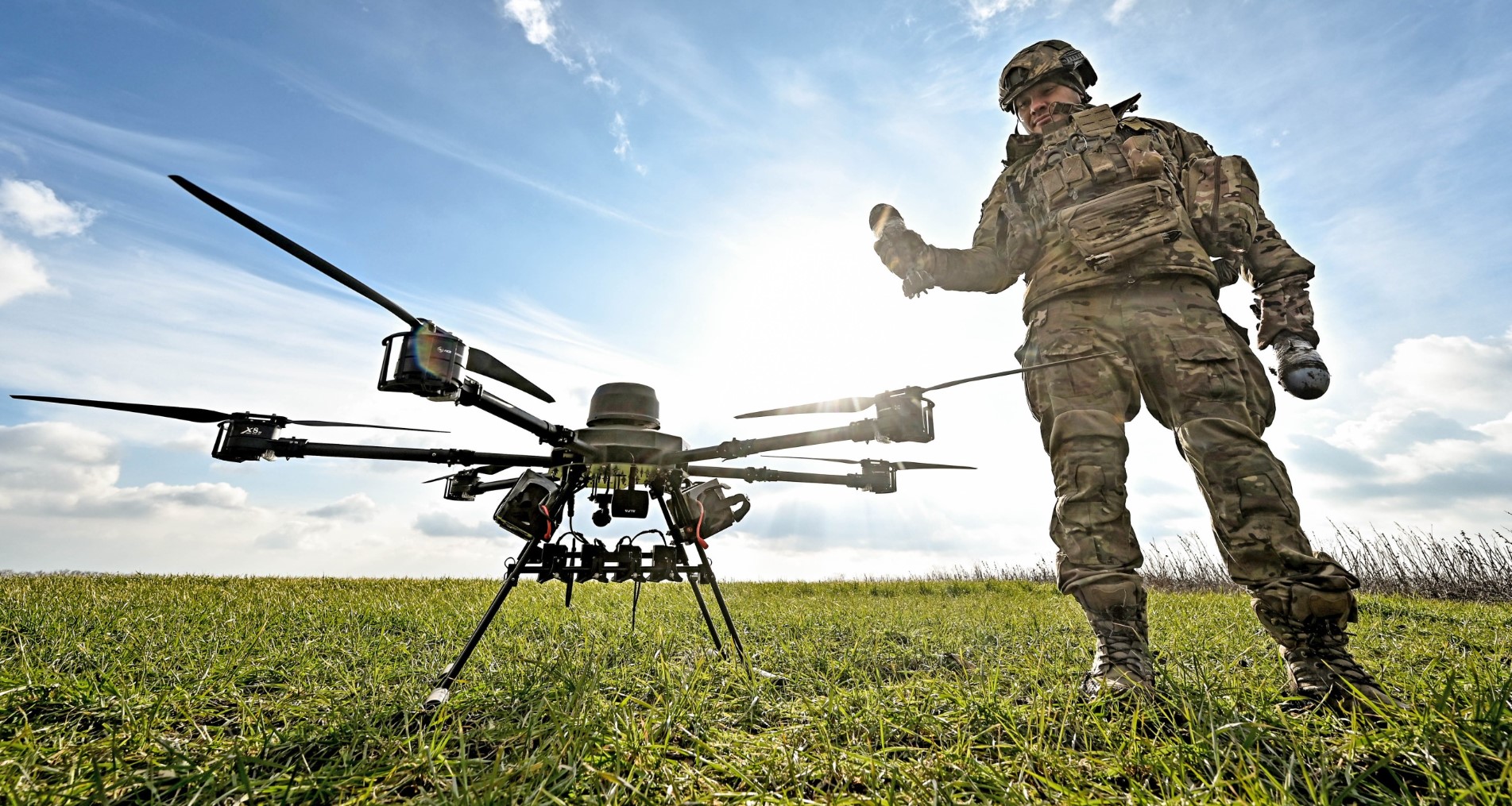
FPV drones against armored vehicles are actively used on the frontlines. There are several scenarios of their application:
- Top attack. The drone dives onto the armored vehicle and drops explosives on it. In this case, FPV drones are especially effective against tanks and IFVs, since the turret roof and hull are much thinner than the frontal armor.
- Aiming at hatches and periscopes. The drone may attempt to hit open hatches or periscopes to disable equipment or eliminate the crew.
- Direct collision with the target. The UAV is directed straight into the vehicle, causing damage with an explosion or warhead.
- Reconnaissance in combat. The FPV drone is used to search for and detect armored vehicles, after which coordinates are transmitted to artillery units.
- Fire adjustment. The drone can accompany an artillery shell and ensure precise targeting, correcting the fire trajectory if necessary.
Thanks to these capabilities, FPV drones have become an important element of modern tactics for striking armored targets.

Tactics of Use and Coordination with Other Units
FPV UAVs can employ various tactical techniques to strike enemy targets. This is possible with coordination with other units. For this, it is necessary to:
- Unified battle management system. FPV teams are part of the overall command system, which allows target designation to be transmitted and data received from other military units.
- Support and interaction. FPV drones can strike targets detected by other units and provide fire support. They can also ensure covert movement, camouflage, and cover. This increases safety and reduces the risk of detection of both drones and other units.
- Reconnaissance and target designation. FPV drones can conduct real-time reconnaissance and transmit data or target coordinates to other units, significantly increasing effectiveness and situational awareness.
Thus, FPV drones help save soldiers’ lives and ensure the destruction of priority targets.
Advantages and Risks of Using FPV Drones
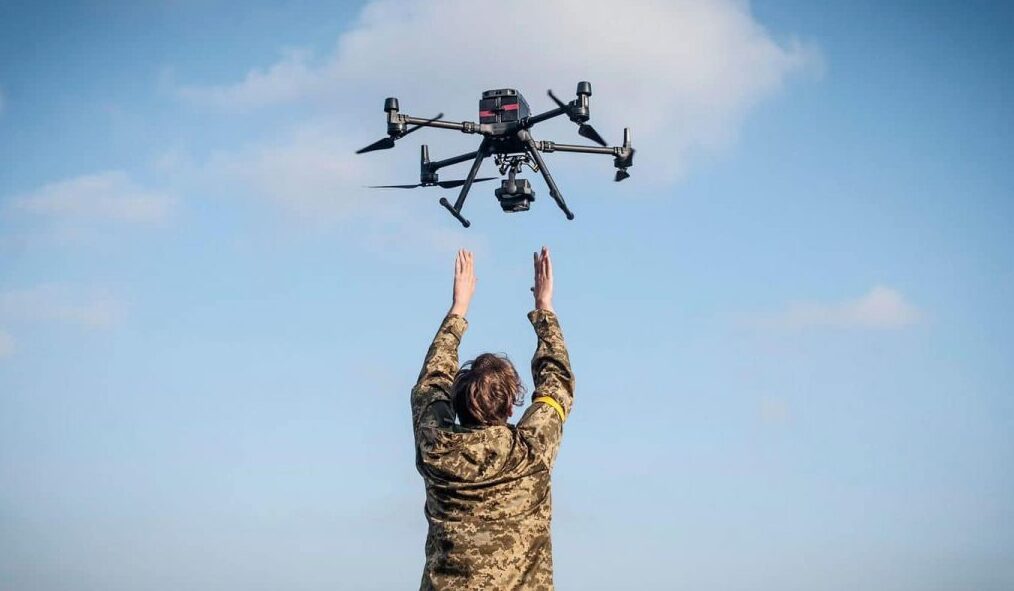
FPV drones are widely used in combat operations. This is explained by the following advantages:
- High maneuverability. Drones are capable of sharp maneuvers at high speed, allowing precise strikes on targets.
- Remote control. Thanks to the video transmission system, the operator has maximum control over the drone, enabling precise maneuvers and operations.
- Ability to operate in difficult conditions. FPV drones can fly in narrow spaces and areas with limited visibility.
At the same time, there are risks of using FPV drones in combat conditions: complexity of control, risk of crashes, vulnerability to electronic warfare, and the need for thorough prior training.