How to secure positions from hostile FPV drones
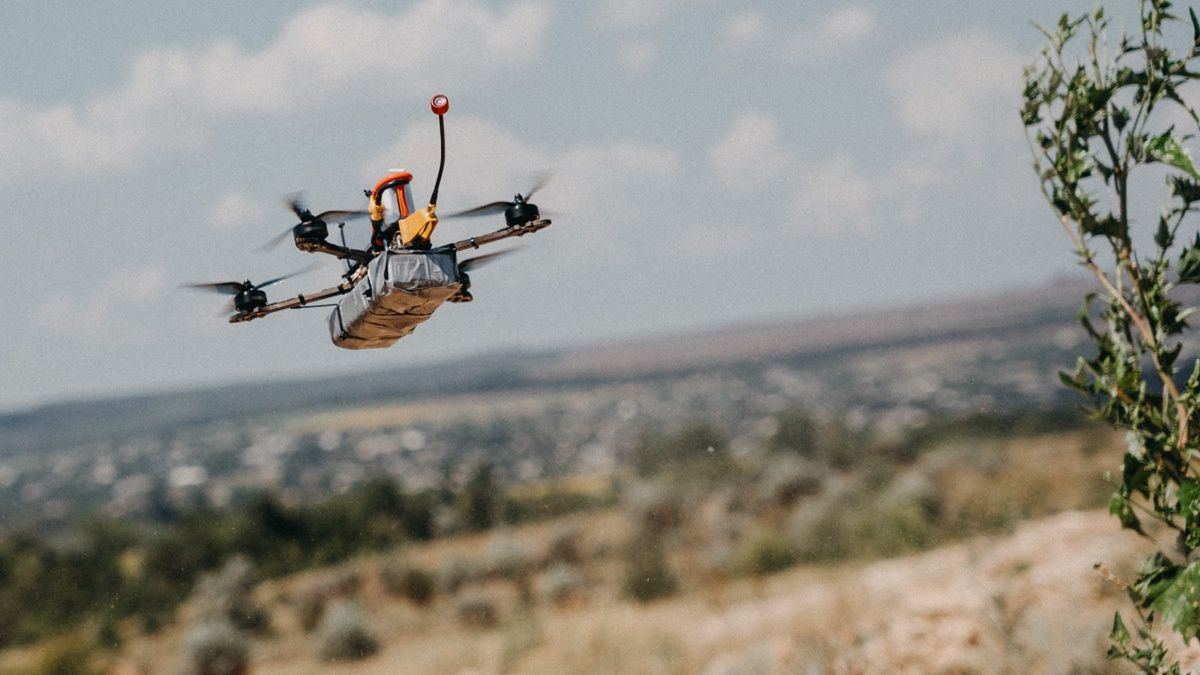
One of the tasks that the Armed Forces of Ukraine have to solve during the war is protection against FPV drones. Such drones are controlled in real time and can reach speeds of up to 200 km/h. The main threat is that they are capable of carrying up to 3 kg of explosives. Their flight range reaches 15 km, and the accuracy of hitting a target is about 1 meter. Therefore, it is extremely important to anticipate countermeasures against such drones in advance to ensure effective protection of AFU positions.
Main threats from FPV drones
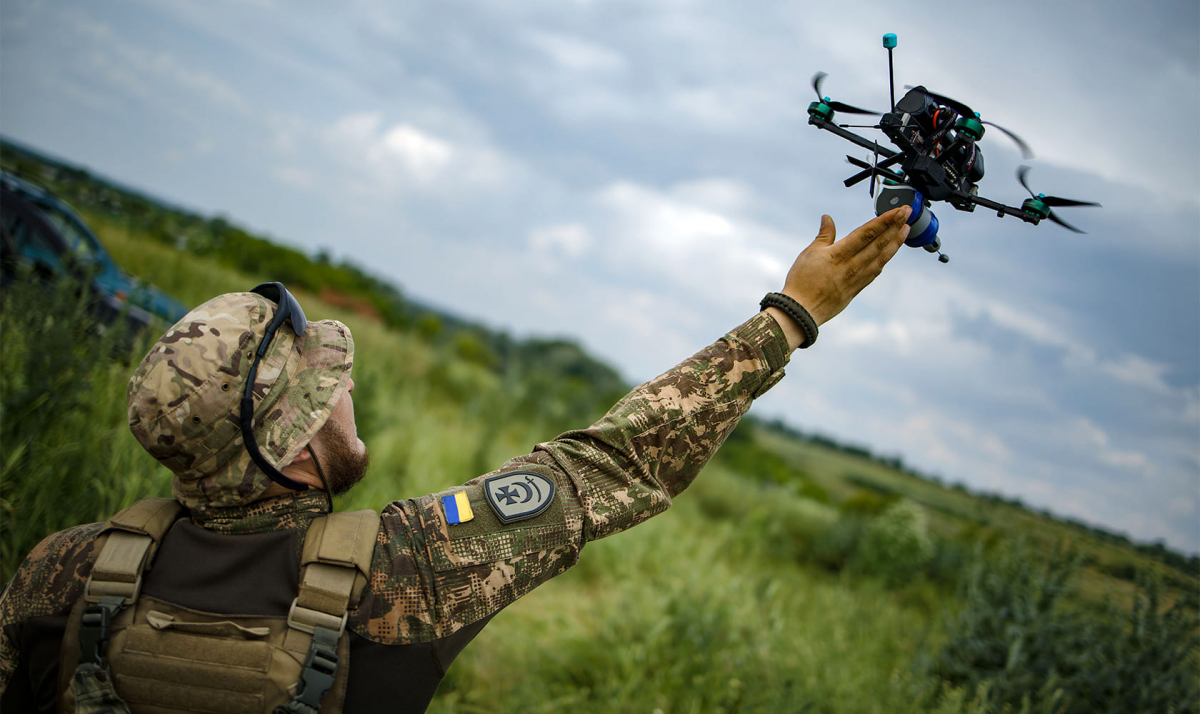
Below are the main threats posed by FPV drones operating on the principle of radio control:
- The difficulty of organizing countermeasures against FPV drones – they are hard to detect both visually and with radar due to their small size, low flight altitude, and very high speed;
- Mass attacks involving the simultaneous use of groups of 10–50 or more drones, which can strike a significant area of AFU positions and cause substantial losses;
- Joint operation of a reconnaissance drone with a drone equipped with explosives, enabling maximum accuracy in hitting a target;
- Local strikes by a single drone – the operator can direct the drone at a specific object, including personnel, armored vehicles, ammunition depots, or shelters;
- Use of such drones for sabotage – striking infrastructure, rear depots, and food delivery transport, leading to disruption of logistics and command systems.
All this creates significant difficulties in detecting and effectively destroying FPV drones.
Camouflage and engineering solutions for position protection
To ensure the protection of positions, special camouflage means against drones and engineering solutions are used, which include:
- Camouflage nets in several layers with gaps of about 50 cm between them, with mesh size 3×3 or 5×5 mm. The canopy is mounted on a frame of pipes with a diameter of 25–32 mm at a height of about 5 m above the ground. This reduces the drone’s speed to 20 km/h and intercepts up to 80% of devices;
- Metal welded cages over armored vehicles, made of reinforcement with a diameter of 14–16 mm, installed around the perimeter at a height of 2.5–2.7 m. Mesh size – 50×50 mm. This method reduces hits by 60–65%;
- Creation of false positions using mock-ups and infrared emitters, which divert up to 40% of FPV drones away from real positions;
- Camouflage with branches, zigzag trenches, dispersal of equipment and personnel into small groups, reducing losses and disrupting drone targeting by about 40%;
- Suppression of FPV drone signals by actively creating interference in the 2.4–5.8 GHz frequency range, blocking drone control through loss of connection;
- Placement of positions within the radio horizon in lowlands (less than 65 m above ground level), reducing the likelihood of detection by drones by 55–60%.
The combined use of these methods significantly increases the effectiveness of protection against drones.
Use of EW systems to suppress signals
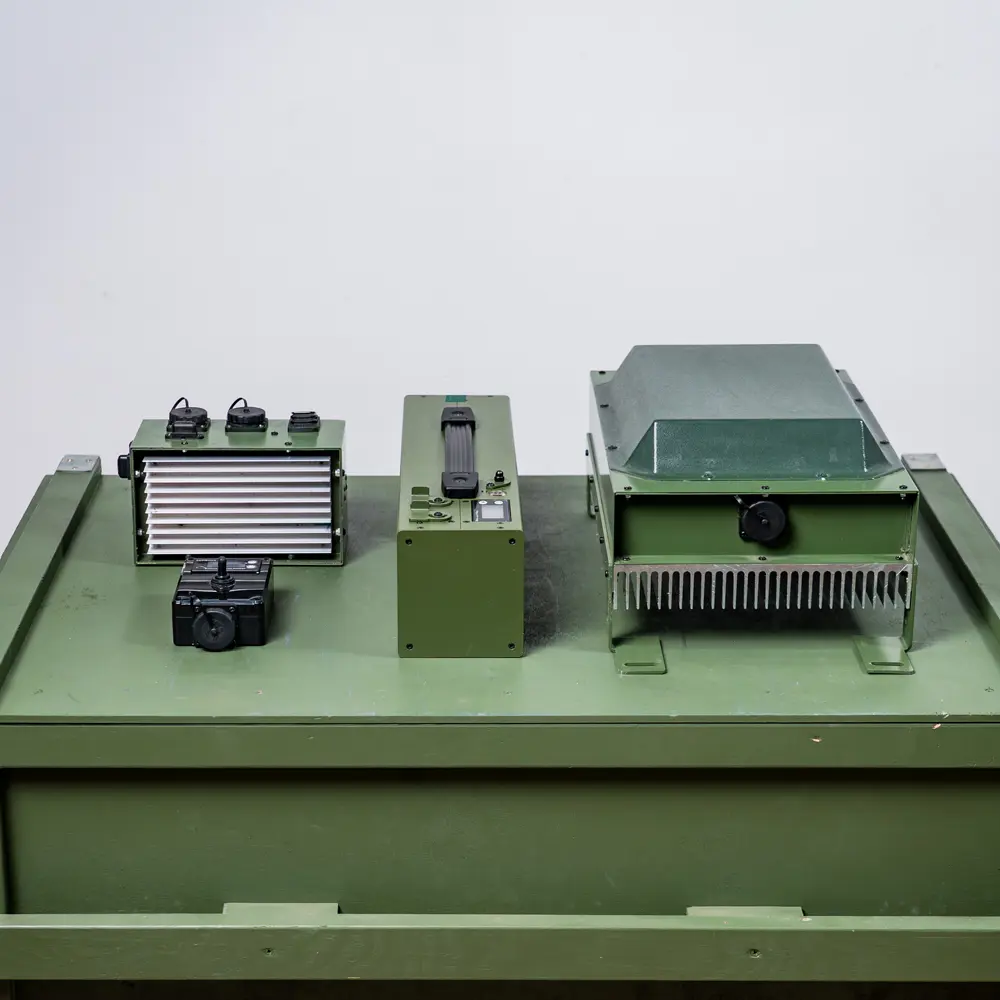
The use of EW against FPV drones – electronic warfare systems – is also effective, as they deprive the drone of the ability to receive command signals from the operator. As a result, control and targeting are lost. For effective signal jamming between operator and drone, systems such as Nebokray EW and similar can be used. They provide blocking of certain frequency spectrum sections in the range from 2370 to 5880 MHz with power up to 150 W. Such EW systems can operate at ambient temperatures from -25 to +40 °C, allowing their use both in severe frost and in heat.
Below are practical recommendations on how to protect against kamikaze drones at frontline positions: The use of such methods significantly increases the protection level of AFU personnel and combat equipment. Given the active hostilities on the territory of Ukraine, the prospects for the development of countermeasures against FPV drones are significant. Simultaneous use of several methods increases protection effectiveness by 85–90%. The main focus will be on portability and autonomy, considering the need for high mobility of AFU units. Wider use of systems based on artificial intelligence and devices operating in additional frequency ranges is expected to expand EW coverage. An important direction is the creation of a multi-level and powerful defense system, whose effectiveness may reach 95%.
Practical advice for frontline units
Prospects for the development of countermeasures against FPV drones in Ukraine