Why FPV Drones Have Become a Key Element of Modern Warfare
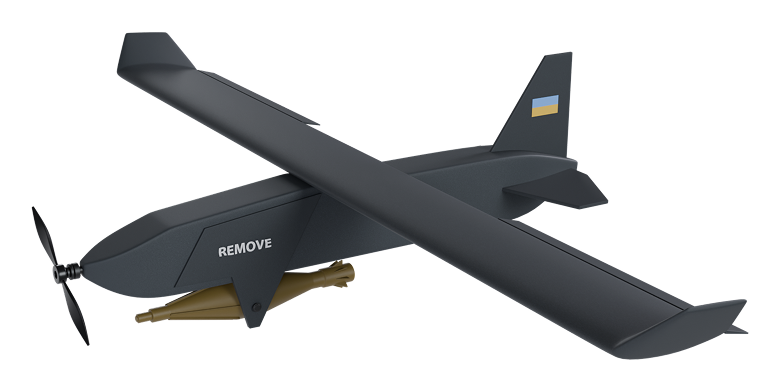
In modern warfare, FPV drones play one of the leading roles. Multifunctional FPV drones are clear proof of this. With this type of weapon, a wide range of combat tasks can be performed – from navigation to strike operations. A large assortment of modern UAV types is presented in the catalog, where you can explore their capabilities, advantages, and features. Let’s look at the main types of military drones and focus on the prospects for their improvement and development in the near future.
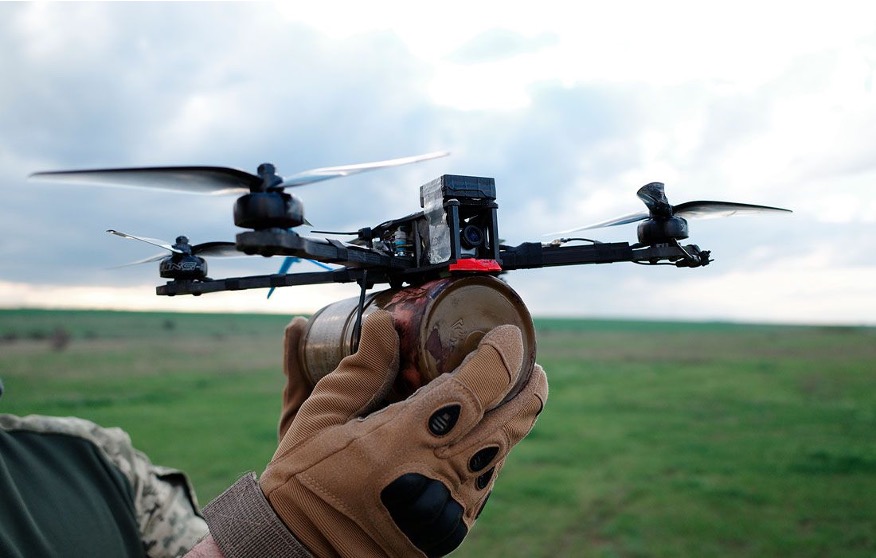
FPV Drones as Strike Weapons
For destroying enemy forces and equipment, strike FPV drones are considered extremely effective weapons. The advantages that make these UAVs indispensable on the battlefield include:
- High maneuverability. The drone can quickly move in different conditions to catch a moving target;
- Precision. This type of weapon hits targets with high accuracy. Thanks to compact dimensions, FPV drones can penetrate buildings and vehicles;
- Cost-effectiveness. From a material standpoint, combat drones are very economical.
These features make UAVs powerful weapons with a high level of effectiveness.
Use of FPV Drones for Reconnaissance and Surveillance
Another important function indispensable in any military operation is reconnaissance of enemy positions. Agile and fast UAVs handle this task extremely effectively. FPV drones are convenient for preliminary inspection of buildings, bunkers, and other areas where the enemy is located.
In addition, UAVs are designed to adjust combat operations in real time. The use of such equipment also helps detect targets the enemy tries to camouflage. These devices can be equipped with HD cameras; they are compact, lightweight, and flexible in use. Versions that operate on fiber optics have excellent flight range and provide clear images without interference.
FPV Interceptor Drones and Their Role
In addition, FPV systems effectively destroy enemy aerial targets. As interceptors, they can shoot down enemy reconnaissance UAVs such as Zala or Orlan. With a small radius of action, drones successfully perform tasks, eliminating the threat of shelling. The speed of such UAVs is about 200–350 km/h. They can even intercept Geran/Shahed. Targets are destroyed by ramming or with a mounted warhead.
Advantages of FPV Drones in Modern Combat Conditions
The frequent use of drones in war is due to the wide range of features of this type of weapon. We highlight the most important:
- Low production and maintenance cost with high efficiency;
- Significant potential for mass production of UAV weapons;
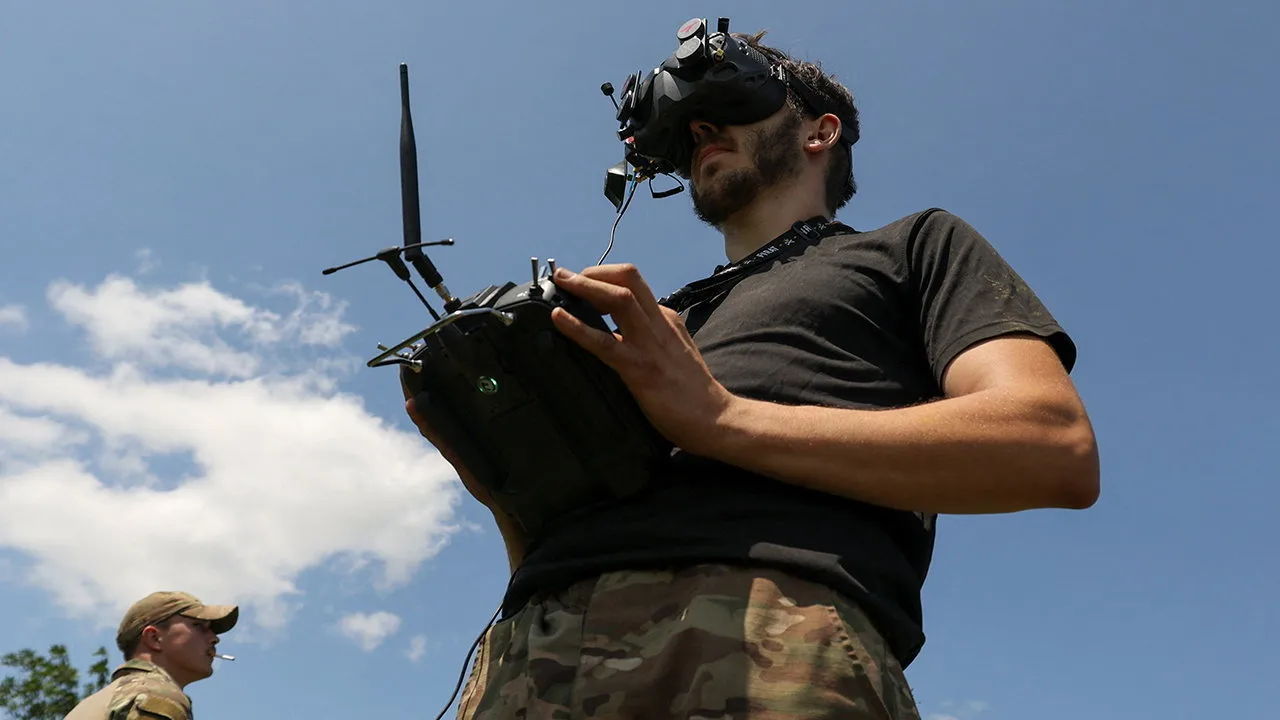
- The FPV operator sees the real picture through special goggles, increasing chances of successful target engagement;
- Speeds up to 350+ km/h, high maneuverability, and compactness ensure a high hit rate of various moving targets;
- Wide range of applications: combat operations, reconnaissance missions, target interception, mining, psychological impact;
- Operators can quickly master FPV drone control;
- To achieve results, the operator does not need to be directly near the enemy object. Health and life risks are reduced, as control is possible at long distances;
- Ability to receive information about the situation in real time, quickly detect different types of targets, and immediately destroy them;
- These UAVs are difficult to jam with electronic warfare. Basic versions move quickly and fly at low altitude, making them harder to detect immediately. Fiber-optic drones are even more resistant to signal suppression;
- Unmanned aerial technology adapts well to different times of day, weather, and temperature conditions. Some models are equipped with thermal imagers and high-power LEDs;
- For intercepting various targets, including reconnaissance UAVs and combat drones, FPV drones are much more cost-effective than other methods.
In addition to the listed advantages, it is worth emphasizing that FPV drones exert strong psychological pressure on the enemy.
Prospects for FPV Drone Development in Ukraine
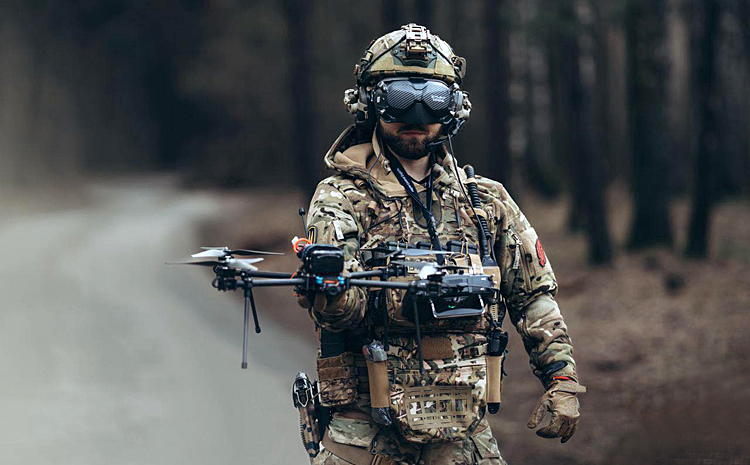
According to near-term forecasts, the production and improvement of UAVs will actively develop. New options are planned to increase the effectiveness of military equipment. Already this year, there is every reason to expect that enemy targets will be destroyed by FPV drones equipped with air defense elements and artificial intelligence. UAVs will also be able to quickly and conveniently synchronize with ground unmanned systems. It is likely that the evolution of such technology will reach a level where, in addition to tactical operations, it will be capable of destroying strategic targets, including bombs and missiles.