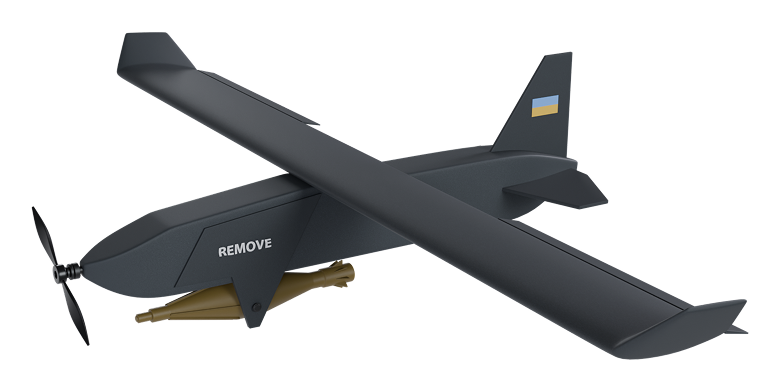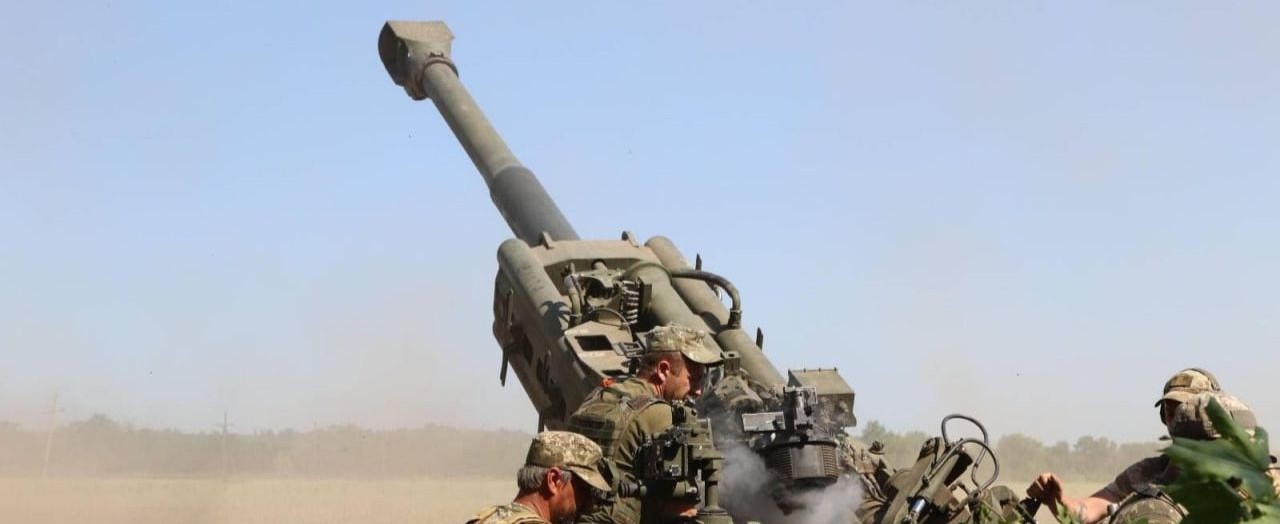
Using Drones for Artillery Targeting
The Use of Drones for Artillery Targeting: A Modern Approach to Accuracy and Efficiency
Modern warfare increasingly relies on advanced technologies, and unmanned aerial vehicles (UAVs) have become one of the key tools on the battlefield. One of the most important areas of their application is artillery targeting, which significantly improves fire accuracy, response speed, and overall resource efficiency.
The Role of Drones in Modern Artillery
Traditionally, artillery reconnaissance relied on ground observers, which involved high risks and limited visibility. The use of drones has fundamentally changed this approach. UAVs enable real-time aerial surveillance, providing up-to-date information on target locations, movements, and strike results.
As a result, artillery units benefit from:
-
a faster “detect–engage” cycle;
-
significantly improved fire correction accuracy;
-
reduced ammunition consumption;
-
increased safety for personnel.
Real-Time Fire Adjustment
One of the key advantages of drones is their ability to adjust artillery fire in real time. After the first shot, a UAV operator can assess deviations and transmit correction data to the artillery crew. This makes it possible to neutralize targets with a minimal number of rounds.
This approach is particularly effective in complex terrain or urban environments, where direct visual observation is often impossible.
Among the main advantages of using drones for artillery targeting are: Speed — rapid collection and transmission of data; Accuracy — reduced targeting error; Flexibility — quick reassignment of target priorities; Safety — minimized risk to reconnaissance personnel; Versatility — operation during both day and night, depending on equipment. Despite their significant advantages, the use of drones for artillery targeting also faces certain challenges. These include countermeasures such as electronic warfare, limited flight endurance, and dependence on weather conditions. For this reason, continuous efforts are being made to improve communication systems, navigation, and UAV autonomy. In the future, closer integration between drones and artillery systems is expected, along with increased automation of data processing and the use of artificial intelligence to analyze battlefield conditions. Drones are already an integral part of modern artillery operations. Their use for targeting and fire correction significantly enhances combat effectiveness, reduces resource expenditure, and helps save soldiers’ lives. Further development of unmanned technologies will only strengthen this trend, making artillery more precise and technologically advanced.Advantages of Using UAVs for Targeting
Challenges and Future Development
Conclusion