How Thermal Imaging Helps Detect Enemies in Shelters
Modern warfare is not
only about firepower — it is about technological superiority. One of the key
tools that significantly enhances reconnaissance and unit safety is thermal
imaging. It enables the detection of enemy forces even where conventional observation
methods fail — including shelters, buildings, and dense vegetation.
How Thermal Imaging Works
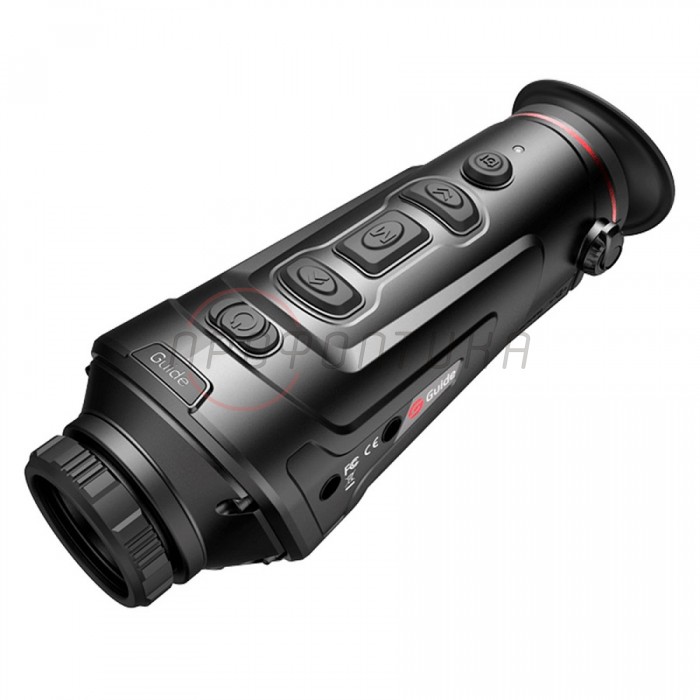
A thermal imager
detects heat radiation, not visible light. Every living organism, as well as
operating equipment, emits heat that can be detected even in complete darkness.
On a thermal display:
· warm objects (people, engines) appear brighter
· cooler objects appear darker
This allows for rapid
target detection regardless of lighting or weather conditions.
Detecting Enemies in Shelters
Although shelters
create a physical barrier, thermal imaging can still reveal the presence of
enemy personnel through several key indicators:
1. Heat Leakage
Even in enclosed
spaces, heat partially escapes:
· through cracks, windows, and doors
· through roofs and walls
· via ventilation systems
These create distinct
thermal signatures that can be identified.
2. Temperature Contrast
A person inside a
shelter alters the surrounding thermal environment:
heating nearby
surfaces
leaving thermal traces
creating localized
anomalies
Even without direct
visibility, such changes can indicate human presence.
3. Detection Through Light Structures
Thermal imaging is
particularly effective against:
· tents
· wooden structures
· thin walls
· camouflage materials
In such cases, heat
radiation can partially pass through or be detected externally.
4. Equipment Detection
Thermal imagers can
also identify:
· engines (even after shutdown)
· generators
· electronic equipment
This helps reveal
enemy activity without direct visual contact.
Advantages of Thermal Imaging
· Effective at night and in low visibility
conditions
· Independent of ambient light
· Rapid target acquisition
· Enhanced unit safety
· Performance in challenging environments (smoke,
fog, rain)
Limitations of the Technology
However, thermal
imaging also has limitations:
· cannot see through thick concrete or metal
walls
· performance decreases in high ambient
temperatures
· requires experience for proper image
interpretation
For this reason, it is
most effective when combined with other reconnaissance tools.