How FPV Drones Are Used to Destroy Armored Vehicles
How FPV Drones Are Used to Destroy Armored Vehicles
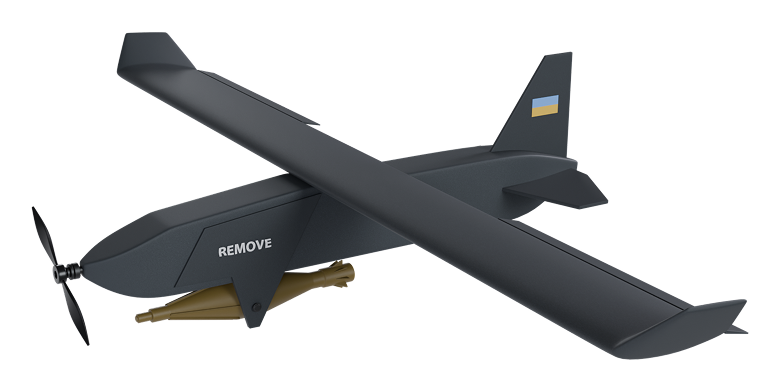
Modern warfare is becoming increasingly dependent on unmanned technologies. One of the most effective tools on the battlefield today is the FPV drone — a compact unmanned aerial vehicle controlled in real time through video goggles worn by the operator. Originally used mainly for racing and aerial filming, FPV platforms are now actively employed to destroy armored vehicles, fortifications, and enemy personnel.
What Is an FPV Drone?
FPV (First Person View) is a drone control technology that allows the operator to see live video directly from the drone’s camera. This enables highly precise maneuvering even at high speeds.
Unlike conventional quadcopters, FPV drones offer:
- high speed;
- superior maneuverability;
- low cost;
- precise target guidance.
These characteristics have made them an effective tool against armored vehicles.
How FPV Drones Attack Armored Vehicles
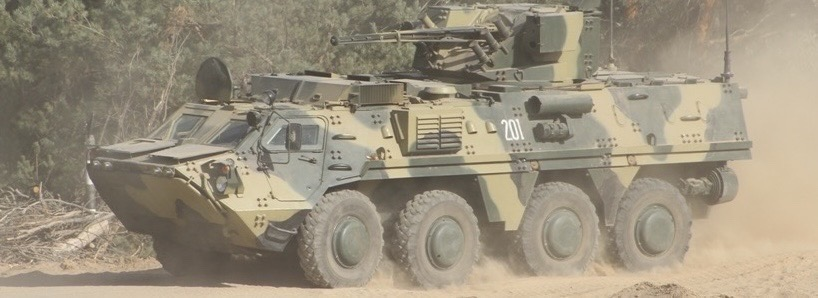
FPV drones are typically equipped with a warhead, such as a shaped charge or fragmentation explosive. The operator remotely directs the drone toward vulnerable sections of the vehicle, including:
- the turret roof;
- the engine compartment;
- open hatches;
- side armor;
- active protection system components.
Upon impact, the explosive charge detonates and can:
- damage the armor;
- disable the vehicle;
- cause fire;
- detonate onboard ammunition.
Why FPV Drones Are Effective Against Tanks
Attacking Weak Points
Most modern tanks have heavy frontal armor, but their top and rear sections remain less protected. FPV drones can target precisely these vulnerable areas.
Low Visibility
Due to their compact size and high speed, FPV drones are difficult to detect in time, reducing the crew’s chances of reacting effectively.
Cost Efficiency
The price of an FPV drone is dozens or even hundreds of times lower than the cost of a tank or infantry fighting vehicle, making such attacks extremely cost-effective.
Tactical Flexibility
Operators can quickly change tactics, flight paths, and munition types depending on the target.
Combat Tactics
FPV drones are often used together with reconnaissance drones. A typical operation follows this pattern:
- A reconnaissance drone detects the target.
- Coordinates are passed to the FPV drone operator.
- The FPV drone moves toward the attack route.
- The operator manually adjusts the flight until impact.
In some cases, multiple drones are launched simultaneously to overwhelm the target’s defensive systems.
Main Advantages of FPV Drones
- high accuracy;
- rapid deployment;
- mobility;
- relatively simple operator training;
- ability to fly at low altitudes;
- low production cost.
Main Disadvantages
Despite their effectiveness, FPV drones also have limitations:
- dependence on radio communication;
- vulnerability to electronic warfare systems;
- limited operational range;
- requirement for skilled piloting;
- risk of signal loss during attack.
The Role of FPV Drones in Modern Warfare
FPV drones have significantly changed the approach to modern combat operations. They allow relatively inexpensive systems to destroy highly valuable armored vehicles, creating a constant threat even for heavily protected equipment.
Today, these drones have become one of the key elements of the modern battlefield and continue to evolve rapidly. Future FPV systems are expected to gain greater autonomy, improved resistance to electronic warfare, and more advanced targeting technologies.
Conclusion
FPV drones have become a true technological revolution in anti-armor warfare. Their combination of maneuverability, precision, and low cost makes them one of the most dangerous tools in modern combat. Their role in military conflicts will continue to grow as unmanned strike technologies rapidly advance.