Usage and Types of EW Systems in Ukraine
In modern combat operations, control of information, communication, and navigation is critically important. A key element of this confrontation is electronic warfare (EW) systems, which are actively and effectively used by the army in Ukraine to protect forces and counter drones. These systems disrupt enemy communication channels and reduce their coordination capabilities.
One example of modern development is the “Nebokray” EW system, notable for its mobility, flexibility, and high efficiency in drone defense. Among the advantages of domestic solutions are rapid modernization, adaptability, and resilience to frequency changes used by the enemy.
What EW Is and Its Main Tasks
Technology plays a decisive role in military conflicts. For successful operations, control over communication and information flows is critical. That is why electronic warfare in Ukraine has particular importance. EW is a set of technical tools and methods aimed at influencing enemy electronic systems, including:
- suppression of enemy radio communications;
- disruption of navigation signals;
- interception and analysis of radio signals;
- protection of own communication channels.
EW deprives the enemy of the ability to effectively control troops and equipment. In an environment of widespread drone use, digital communication, and precision weapons, electronic warfare is a powerful tool of asymmetric defense. It reduces the effectiveness of attacks without direct fire contact, saves air defense resources, and ensures rapid response to new threats.
Application of EW Systems on the Battlefield
Technology plays a decisive role in modern warfare. Within army units, EW systems significantly reduce the effectiveness of enemy equipment and enhance personnel protection.
Key battlefield functions include suppressing enemy communication channels, distorting navigation signals, and detecting sources of radio emissions. As a result, the enemy loses coordination, and its advanced weaponry becomes unstable or may fail completely.
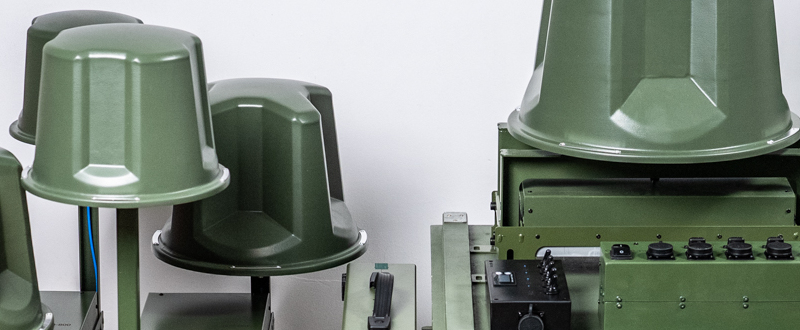
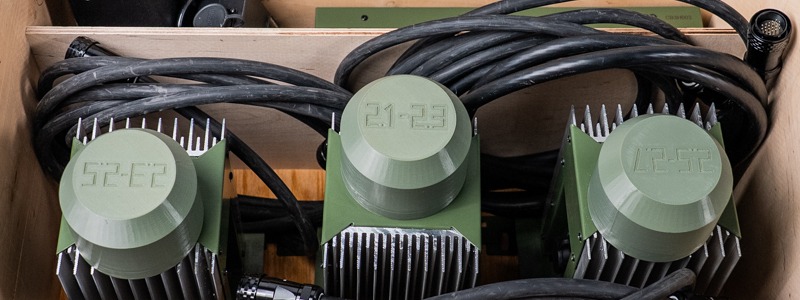
With the advancement of modern combat technologies, EW has become a cornerstone of defense. Different types of EW systems are used to counter enemy electronic means. Signal management, analysis, and suppression significantly influence combat outcomes and protect friendly forces. Main types of EW systems include mobile anti-drone solutions and larger complexes for tactical radio control. Key features of modern systems include: This ensures effective protection of positions, equipment, and personnel. The table below provides examples of EW systems used in Ukraine. EW System Main Purpose Capabilities Advantages EW “Nebosvod Antiskid” Defense against FPV drones Suppression of control and navigation channels Compactness, rapid deployment EW “Nebosklon Antisbros Plus” Countering drones with payload drops Suppression of control and video transmission Enhanced protection against aerial attacks EW “Hammer 21–27” Tactical communication suppression Operation across wide frequency ranges High power impact EW “Nebosklon Cayman 2.0” Anti-drone defense of positions Disruption of navigation and control channels Mobility, resistance to interference EW “Nebosvod Cayman Plus 2.0” Comprehensive unit protection Extended suppression radius Versatility, high efficiency Modern EW systems perform clearly defined tasks of protecting forces and limiting enemy capabilities. They demonstrate high adaptability to technological warfare and provide the army with an advantage without direct fire confrontation. The effectiveness of modern combat largely depends on control over information and electronic signals. EW systems are vital tools for countering advanced enemy weaponry. Their use ensures troop protection and neutralization of hostile drones. Modern warfare increasingly shifts into the technological domain, where control of communication and data flows is decisive. In this environment, EW becomes one of the key means of countering enemy electronic systems. Electronic warfare in Ukraine is actively evolving. Improvements in jamming methods, expanded signal interception capabilities, and enhanced comprehensive countermeasures are shaping a new level of defense. In today’s conditions, technological superiority often determines the outcome of battle. The prospects for EW development in Ukraine are significant. New directions for modernization are opening, defense efficiency is increasing, and unit maneuverability is improving, enabling flexible responses to the challenges of the modern battlefield.
Main Types of EW Systems in Ukraine
Advantages and Limitations of EW

Prospects for EW Development in Ukraine