How a Fiber-Optic FPV Drone Works and Its Advantages
In modern warfare, unmanned technologies are a vital component of reconnaissance, operational support, and surveillance. For real-time data transmission, fiber-optic FPV drones are successfully used, taking video and control transmission speed to a fundamentally new level. They are actively deployed for territory monitoring, detecting changes in terrain, and tracking movements.
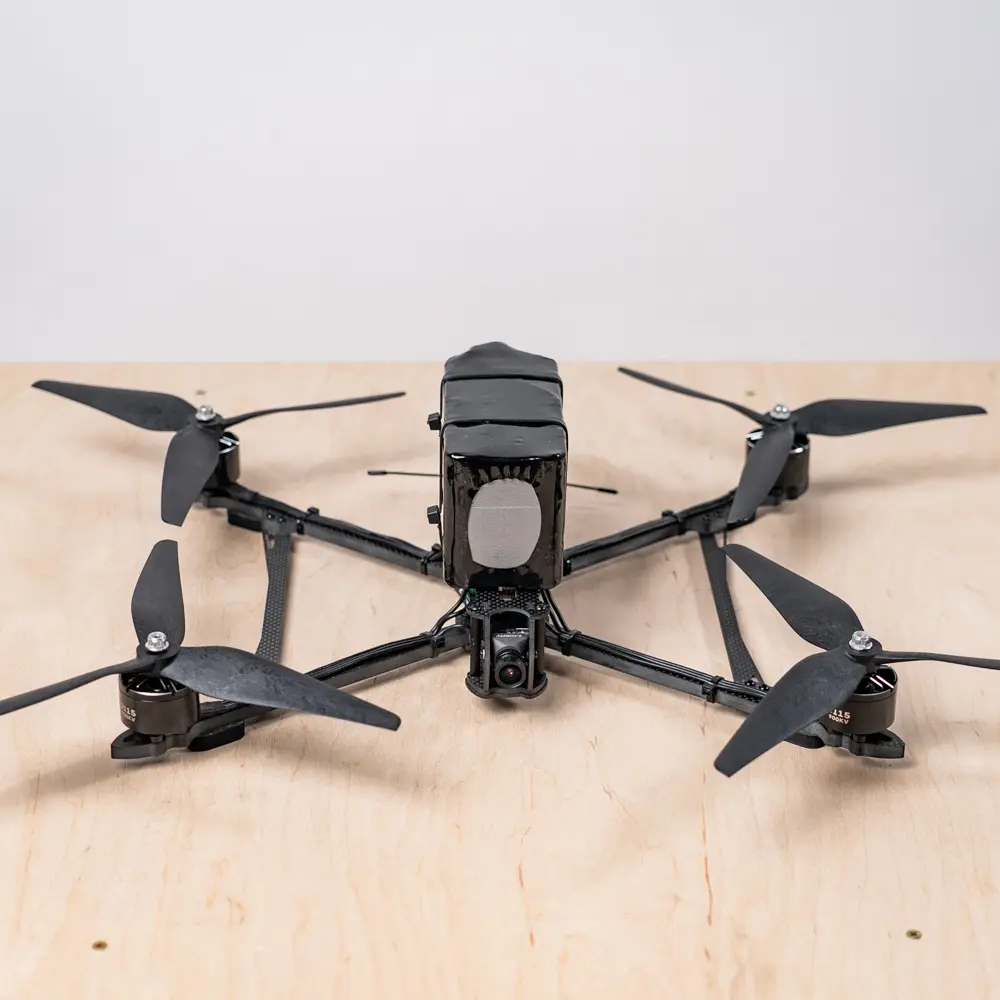
A practical solution is FPV Vortex drones and models with fiber-optic video transmission, which are ideally suited for professional close-range filming. These drones provide rapid situational assessment and effective operation between buildings, inside destroyed structures, and in other hard-to-reach areas.

How Fiber-Optic FPV Drones Work
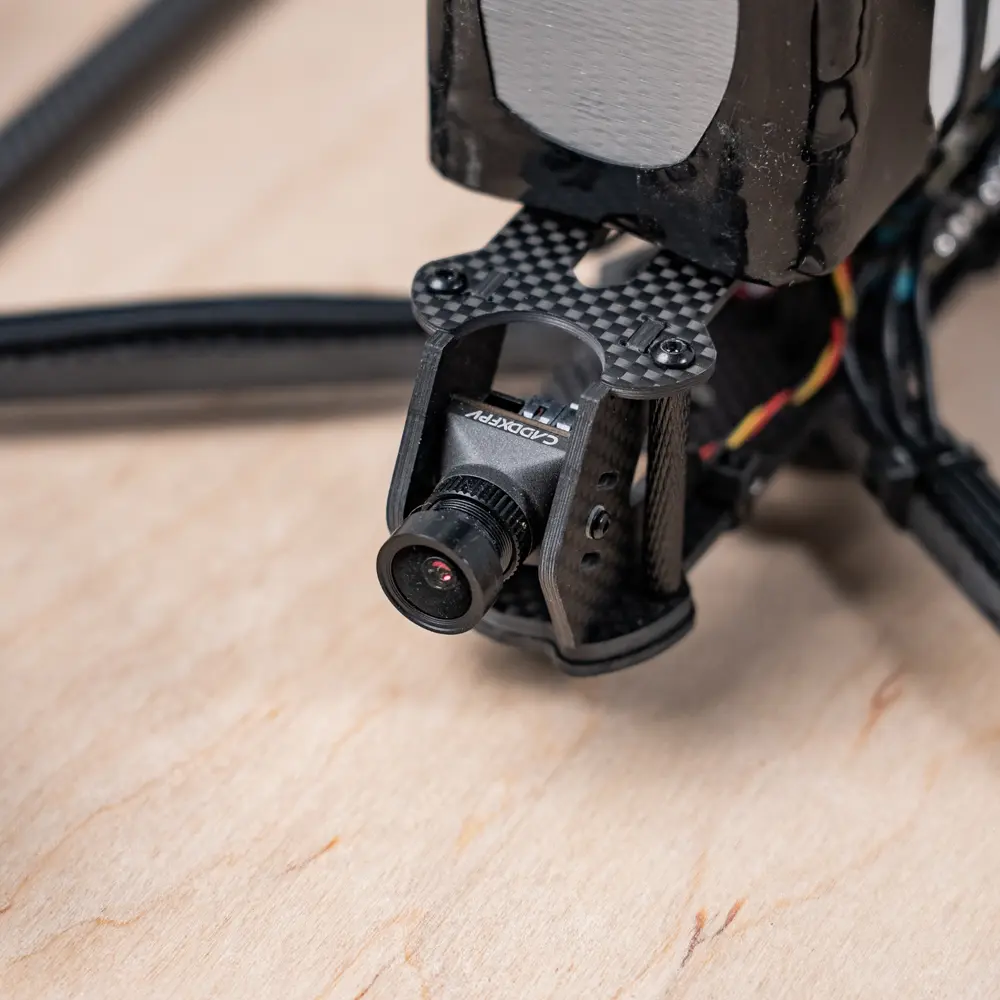
In wartime conditions, FPV drones offer several key advantages. A modern FPV drone with fiber-optic connectivity is equipped with a camera and a real-time video transmission system. The camera signal is transmitted directly through a fiber-optic cable.
This ensures stable communication without interference, minimal video latency, and high image clarity. Video is delivered in real time, with the signal passing through the fiber-optic channel without loss or distortion. As a result, the operator receives a clear image and can instantly control drone movement. The connection remains stable even under active electronic warfare conditions.
Main Advantages of Fiber-Optic Control
Using a fiber-optic cable achieves ultra-low latency in video transmission. The connection remains stable even at long distances. Modern FPV drones with fiber-optic control offer several significant advantages:
- extended flight range;
- stable and secure signal;
- high navigation accuracy;
- reliable and predictable control.
In wartime, such solutions provide high efficiency and technological superiority. UAV technologies are widely applied for reconnaissance and navigation, ensuring real-time information transmission. This significantly increases control reliability and mission effectiveness directly on the battlefield.
Below are Vortex FPV drones with fiber-optic cables designed for combat missions.
Model | Fiber-Optic Cable Length | Application in Warfare |
Vortex 10 | 10 km, 15 km | Tactical reconnaissance at medium range |
Vortex 13 | 20 km, 25 km | Long-range reconnaissance, monitoring large areas, stable connection in interference zones |
Vortex 15 | 35 km, 40 km | Maximum observation range, control of remote areas and complex directions |
Connection stability, data transmission speed, and control accuracy are key factors in modern conflicts. Fiber-optic control provides decisive advantages, including resistance to interference, instant video transmission, and reliable control over long distances. Using models with cables up to 40 km allows adaptation to various combat missions—from urban reconnaissance to monitoring remote territories.
Use of Fiber-Optic FPV Drones in Combat
An important stage in UAV development for combat applications has been the introduction of fiber-optic signal transmission. Modern navigation combined with instant video streaming enables confident drone control in narrow spaces and hard-to-reach zones.
In wartime, connection stability and predictable control are critical. Fiber-optic FPV drones demonstrate high efficiency where radio communication is unstable or suppressed. The fiber-optic channel cannot be jammed, ensuring stable signal and full control even under electronic warfare conditions.
Comparison with Traditional FPV Drones
Flight range, signal stability, and control accuracy are decisive parameters in combat UAV applications. Overall effectiveness depends on these factors. Fiber-optic FPV drones enable missions in conditions where conventional models lose connection and quickly become ineffective.
Modern FPV drones with fiber-optic channels are essential for reconnaissance, coordination, and technological superiority. Traditional drones may operate inconsistently and lose signal, while fiber-optic systems ensure uninterrupted video transmission, guaranteed control accuracy without delays, and reliable protection against interference. This makes them an effective and proven solution for combat conditions.
Prospects for Technology Development in Ukraine
UAV technologies in Ukraine are rapidly evolving. Fiber-optic FPV systems, offering ultra-low video latency, stable communication, and high control accuracy, are gaining particular attention. These solutions have significant potential across various fields—from industrial monitoring and scientific research to media and creative industries.
The development of these technologies opens broad opportunities for innovation and strengthens the country’s technological potential. By implementing fiber-optic FPV solutions in defense and industry, systems achieve high precision and resilience to interference. This plays a crucial role in fulfilling modern national security tasks.