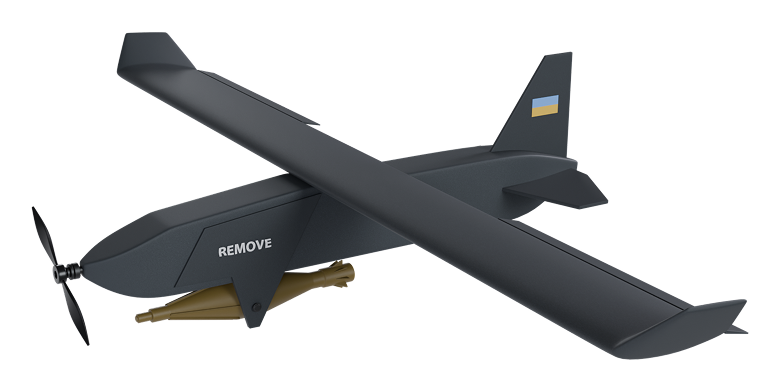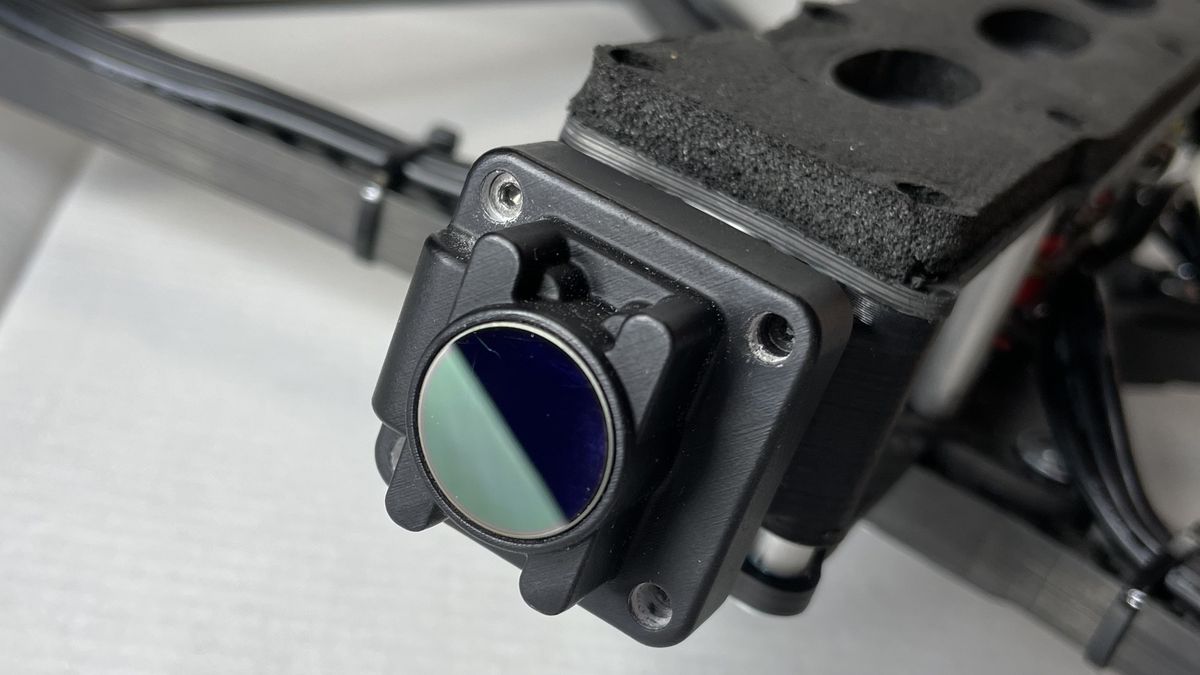
A separate type of UAVs uses a popular technology – FPV drones with high-precision control. The camera transmits video in real time to the operator’s goggles. This creates a presence effect and full immersion. On the Global Mark website, high-quality FPV drones with automatic guidance are offered. The correct choice of camera model affects image quality, level of detail, field of view, and spatial orientation. A modern drone camera differs in signal transmission technology, resolution, and form factor. Analog models remain classic, with minimal latency, simple setup, and wide compatibility.
Main Camera Parameters
There are important parameters that affect image quality, ease of control, and efficiency regardless of lighting conditions, signal stability, and high flight speed. Choose FPV drone cameras based on technical specifications. This will help you correctly select weight, resolution, field of view, and other parameters according to your goals and tasks. The most important include:
- Resolution. The higher it is, the more detailed the image will be;
- Frame rate. A high frame rate helps respond faster to changes in the frame;
- Field of view. Narrow – less distortion but limited space in the frame. Medium – a universal option. Wide – provides more surrounding information, expands the view.
When shooting at dusk or in poor lighting, high light sensitivity of the camera is critically important. Size and weight also matter: the lighter the camera, the better the drone’s acceleration and maneuverability.
Popular FPV Drone Camera Models
For real-time video transmission and clarity during flight, the key element is the FPV camera. Its quality affects sharpness and detail, performance in difficult lighting conditions, and ease of control. Among the most popular options:
- FPV Foton drones with daylight and dusk cameras. High image clarity in sufficient lighting, accurate color reproduction, high detail. Suitable for observation at medium and long distances;
- Models with night cameras. Specialized sensors for low light, high image contrast, ability to operate in complete darkness;
- Drones with digital guidance modules. Provide increased image stability, reduce the impact of vibrations and interference.
Daylight, dusk, and night modules complement each other perfectly. The digital guidance module enhances stability and quality of visual information. The video system becomes universal, adapted to different lighting conditions, while maintaining informativeness.
Choosing a Camera for Combat FPV Drones
Video quality is critically important for quick assessment of the situation, precise control of the device, object recognition, and orientation. Navigation in difficult conditions must be safe and reliable. When choosing, pay attention to resolution, field of view, size, and weight of the camera. Resolution directly affects image detail and the ability to recognize objects at a distance. For military drones, it is worth choosing cameras with high resolution – this ensures clear images and minimizes digital noise.
High light sensitivity ensures stable images under sudden changes in lighting. This parameter is critically important when combat FPV drones perform tasks under contrasting daylight conditions. Cameras with high light sensitivity preserve detail without loss of quality.
High-quality night shooting requires specialized sensors and image processing modes. When using military drones in limited visibility conditions, cameras with night modes help navigate in darkness.
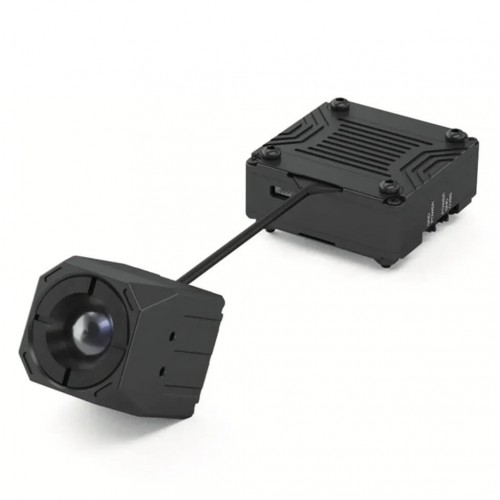
Practical Tips for Selection and Installation
Military drones are a class of UAVs used for reconnaissance, surveillance, communication, and other tasks.
A properly chosen field of view helps better orient in space. A wide angle provides a view of the surrounding environment, which is especially important when using military drones for observation and monitoring in complex terrain. At the same time, an overly wide angle can cause perspective distortion, so it is important to maintain balanced values.
Thermal imagers are also used on military drones to capture thermal outlines of objects regardless of lighting. This significantly expands the device’s capabilities. Combined with a regular camera, thermal modules assist in monitoring, searching, and analyzing the situation in difficult conditions, including fog or complete darkness.