The Role of Ground Robots in Modern Warfare
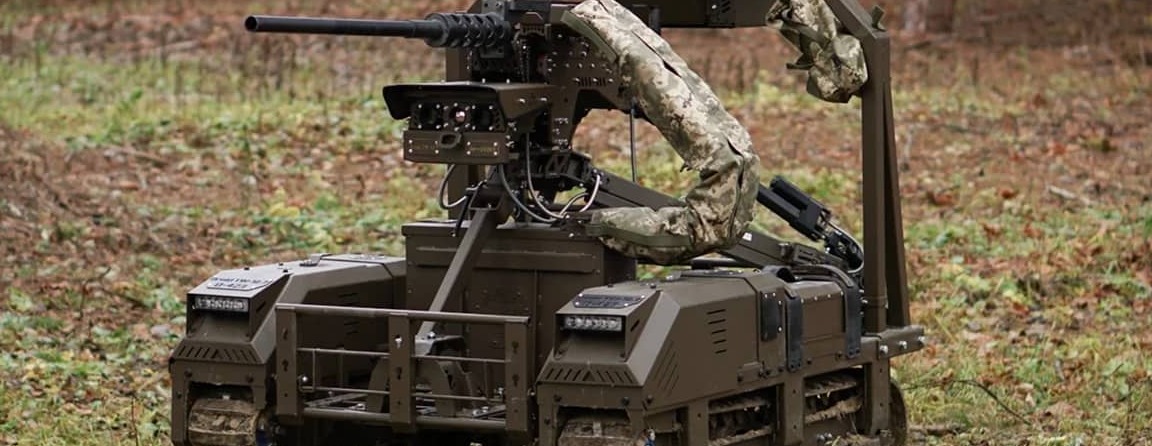
Modern warfare is no longer a classic confrontation between humans and machines. It has become a far more technologically controlled process. A key element of this transformation is the unmanned ground vehicle (UGV) systems - machines that perform combat and support tasks without constant human presence. Their introduction is changing approaches to strategy, tactics, and operational safety, making the army more mobile and better protected.
Autonomous and remotely operated platforms carry out missions on land. These can range from compact reconnaissance devices to heavy combat platforms equipped with weapons, sensors, and communication systems.
What UGVs Are and Their Main Functions
To effectively perform land-based missions, autonomous and remotely controlled machines are actively used. The primary purpose of unmanned ground vehicle systems is to carry out dangerous operations in high-risk zones for humans. These systems combine safety, mobility, and advanced technology. The table below outlines the main functions of UGVs in modern warfare.
Direction | UGV Application | Benefit for the Army |
Reconnaissance | Collecting enemy data, monitoring terrain. | Improved situational awareness, reduced risks for personnel. |
Combat | Fire support, position defense. | Strengthening units while preserving soldiers’ lives. |
Mine Clearance | Detection and neutralization of explosive devices. | Protection of military personnel and civilians. |
Logistics | Cargo delivery, evacuation of the wounded. | Faster operations, reduced burden on soldiers. |
Engineering Support | Work in hazardous zones. | Quick and efficient execution of technical tasks. |
During reconnaissance and combat missions, unmanned ground vehicle systems significantly enhance army effectiveness. They provide engineering support and are indispensable in logistics operations.
Use of Ground Robots in Combat Conditions
Modern warfare relies on advanced technologies that increase army efficiency and reduce risks for personnel. Ground robots play an important role in this process, actively used by units to perform complex and dangerous missions. The course of armed conflicts increasingly depends on technological capabilities, directly affecting the effectiveness and safety of combat operations.
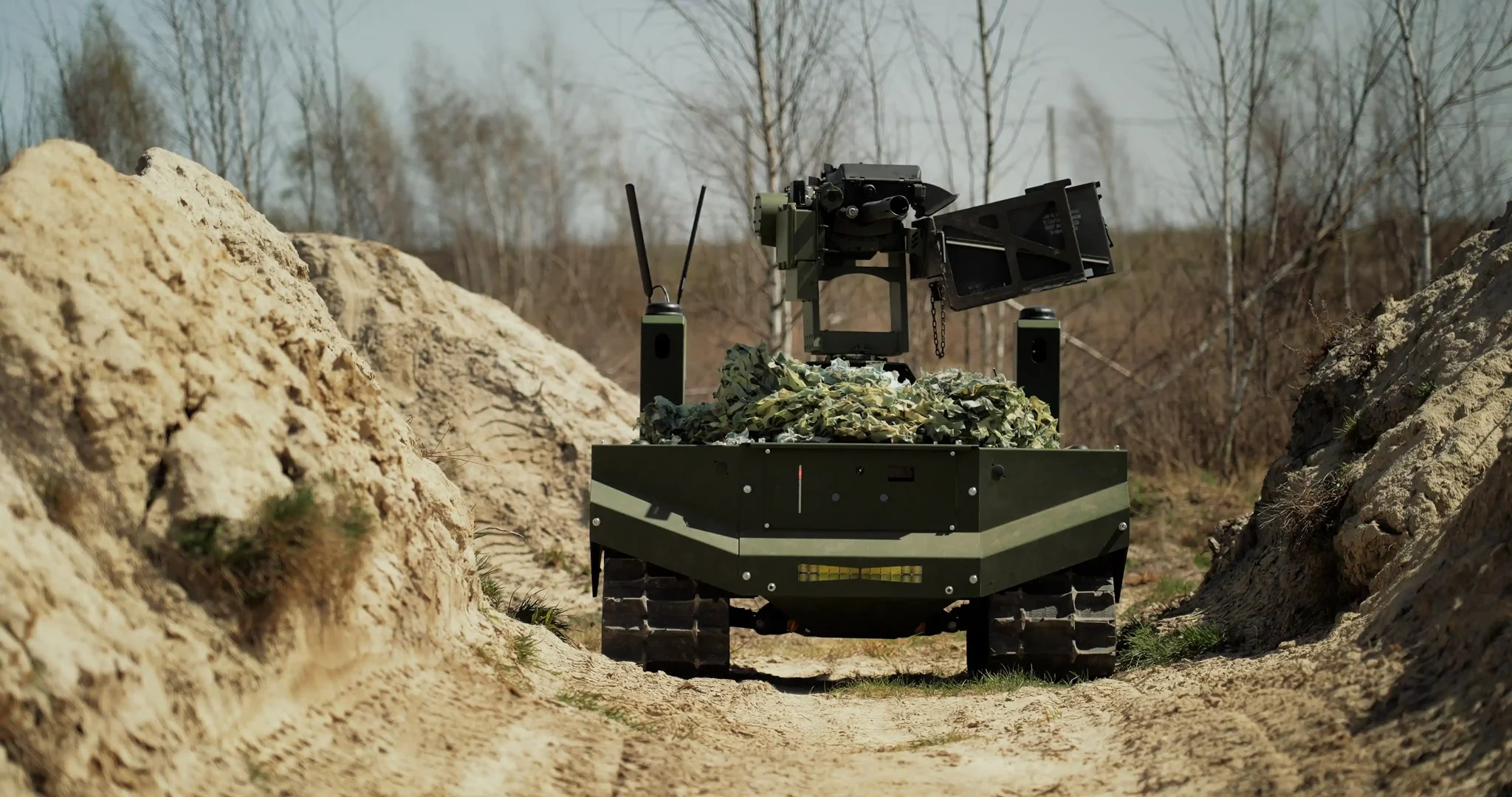
UGVs patrol territory, collect reconnaissance data on the enemy, and transmit information and video in real time. Equipped with weapons, these platforms can deliver firepower from a safe distance, providing strong combat support during offensive and defensive operations. They also safely detect and neutralize mines and improvised explosive devices, significantly reducing risks to humans.
Ground robots are indispensable in modern warfare. Their key advantages include high precision, mobility, and safety. They enable dangerous missions without endangering personnel, increase operational efficiency, and expand tactical capabilities.
Advantages of UGVs for the Army
Technologies aimed at enhancing personnel safety are actively implemented in the armed forces. Modern military ground robots ensure high operational efficiency and take on tasks previously requiring direct human involvement. This reduces risks and increases accuracy. Key advantages of UGVs include:
- Reduced personnel losses, as UGVs perform the most dangerous missions.
- High speed and mobility: systems move quickly across various terrains, both urban and rugged.
- Multifunctionality: usable for reconnaissance, patrolling, fire support, and cargo transport.
- Accuracy and efficiency: guidance systems and sensors allow precise target identification and mission execution, minimizing errors.
Autonomy and flexibility are also notable. These systems can operate independently, making decisions based on sensor data and adapting to changing battlefield conditions.
Examples of Ground Robot Use in Ukraine
Robotic platforms can perform a wide range of combat tasks. They are deployed in assault and defensive operations, providing firepower and tactical advantage. Key applications include:
- Reconnaissance: hidden observation, identifying enemy positions, and transmitting real-time data.
- Logistics: delivery of ammunition and supplies, evacuation of wounded from dangerous zones without risking personnel.
- Support: mine clearance, engineering tasks, and assistance to frontline units.
These capabilities are possible thanks to advancements in military technology. Modern UGVs are distinguished by autonomy, resilience, and high precision, making them a vital element of today’s armed forces.
Prospects for UGV Development in Modern Warfare
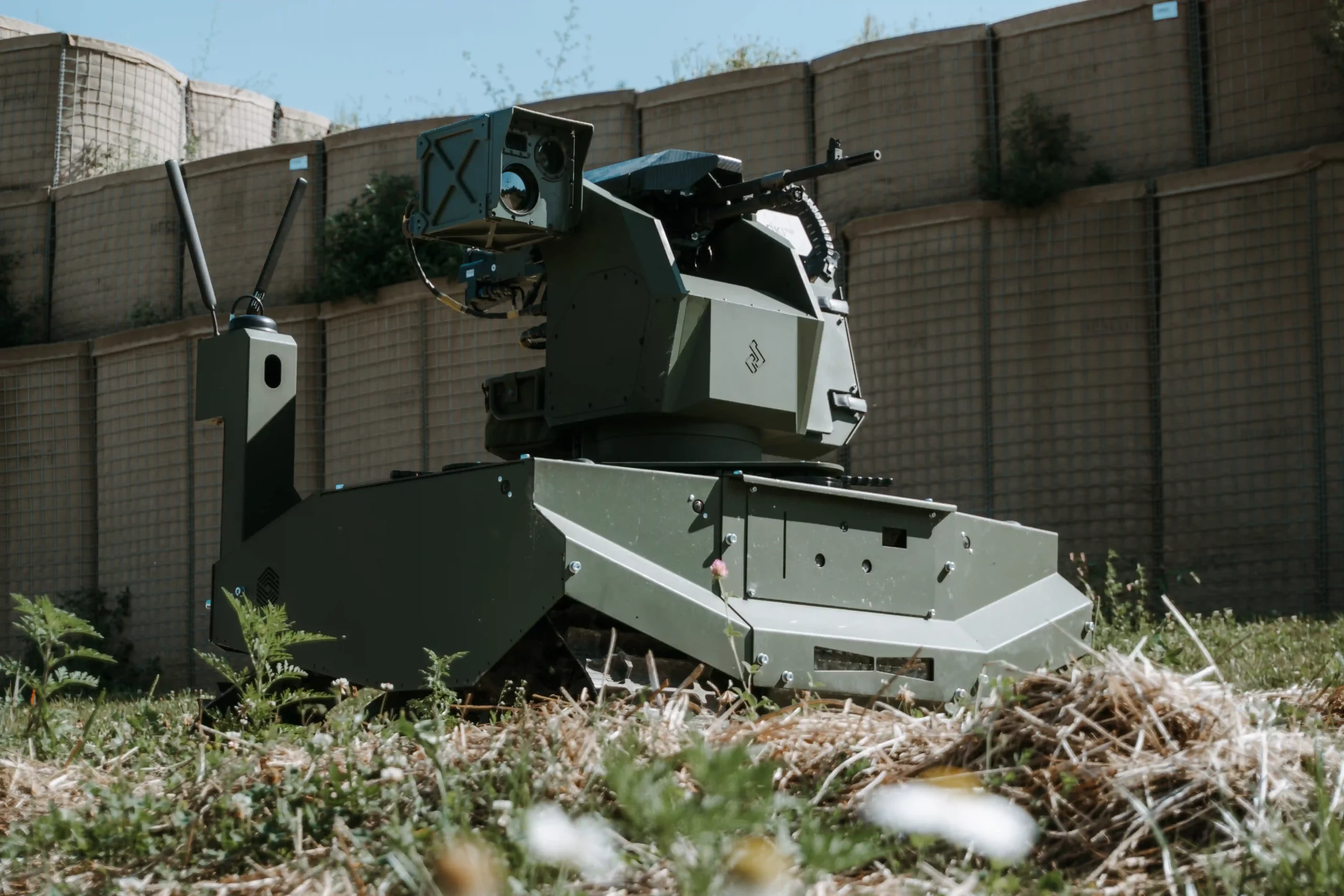
Key directions for UGV development include increasing autonomy and integration with other systems. Improvements in protection and maneuverability open broad opportunities for enhancing operational efficiency. This reduces personnel losses and strengthens the army’s ability to adapt to complex combat conditions.